
Redwood County Deed Records
Redwood County deed records go back to 1865 and are available through the county's LandShark online search system. The County Recorder in Redwood Falls maintains all real estate documents, including property transfers, mortgages, and land contracts. This page covers how to access Redwood County land records, what fees apply, and what statutes govern recording in the county.
Redwood County Deed Records Overview
Redwood County Recorder Office
The Redwood County Recorder operates out of the courthouse in Redwood Falls, Minnesota. The office records and maintains all real estate documents filed in the county, including deeds, mortgages, liens, plats, and Torrens-related filings. The county website at co.redwood.mn.us has contact information for the recorder's office and related county services.
Redwood County is an agricultural county in southwest Minnesota. Land records reflect the county's heavy mix of farmland ownership changes, agricultural easements, and rural residential sales. The recorder's office deals regularly with farm ground transfers and contracts for deed.
Staff are available during regular business hours to assist with document retrieval, copies, and recording. Walk-in access is available for those who prefer to search in person at the courthouse.
Online Land Record Search
Redwood County uses LandShark for online deed and land record access. LandShark allows users to search by document type, grantor/grantee name, document number, date range, and legal description. The system covers records from 1865 to the present, giving researchers access to more than 160 years of land record history.
LandShark is a subscription-based service used by many Minnesota counties. It is well suited for title companies, attorneys, and others who need regular access to county land records. Access typically requires account setup and a subscription fee. Contact the Redwood County Recorder's office for current LandShark access pricing and setup details.
For historical records prior to 1908, FamilySearch provides access to pre-1908 Homestead and Cash Entry Patents. This free resource is useful for genealogy research and early land grant tracing. FamilySearch is available at familysearch.org and can be searched without an account.
Note: LandShark subscription costs and access tiers may vary. Contact the county recorder for current pricing before setting up an account.
Recording Requirements and Deed Tax
All documents recorded in Redwood County must meet the formatting standards in Minnesota Statute 507.093. This law covers paper size, margins, font requirements, and the location of preparer and return address information. Non-compliant documents may be rejected or recorded with a surcharge.
The standard recording fee is $46.00 per document. Plats cost $56.00. Well Disclosure Certificates are $54.00 when property with a well is sold. Certified copies cost $10.00 per document. These fees apply statewide.
Redwood County charges deed tax at 0.33% of net consideration under Minnesota Statute 287.21. This tax must be collected before the deed is recorded. For a $175,000 property sale, the deed tax is $577.50. Agricultural land transactions may qualify for specific exemptions depending on the type of transfer.
Tax certification is required before recording under Minnesota Statute 272.12. The county auditor verifies that all real estate taxes are current. This step is mandatory for every deed transfer, regardless of the sale price or type of transaction.
Types of Deeds Recorded in Redwood County
Warranty deeds are the standard for most residential and commercial property sales. The seller guarantees clear title to the buyer. Quitclaim deeds transfer whatever interest the grantor holds, with no title guarantee. Both are covered by Minnesota Statute 507.07.
Contracts for deed are common in Redwood County, particularly for agricultural land sales. These seller-financed agreements let buyers acquire land through installment payments, with the deed transferring when the contract is paid in full. Under Minnesota Statute 507.235, contracts for deed must be recorded within four months of signing.
Transfer on Death Deeds let landowners name a beneficiary who receives the property at death without probate. The deed must be recorded while the owner is alive to be valid. This is governed by Minnesota Statute 507.071 and is increasingly used in rural estate planning.
When a homestead property is sold, both spouses must sign the deed under Minnesota Statute 507.02. This requirement protects a spouse's interest in the family home and applies regardless of which spouse holds title.
Historical Redwood County Land Records
Redwood County land records begin in 1865, shortly after the county was organized. These records cover original homestead grants, early farm sales, and the full chain of property ownership through present day. LandShark provides access to this full historical range, making it possible to trace ownership back more than 160 years from a single search interface.
For records predating 1908, FamilySearch provides free access to homestead patents. These federal land grants document the original transfer of land from the U.S. government to individual settlers. Locating a homestead patent is often the starting point for a complete title chain on older rural parcels.
The Minnesota Department of Revenue's website at revenue.state.mn.us has information about deed tax requirements and exemptions that apply across all Minnesota counties, including Redwood.
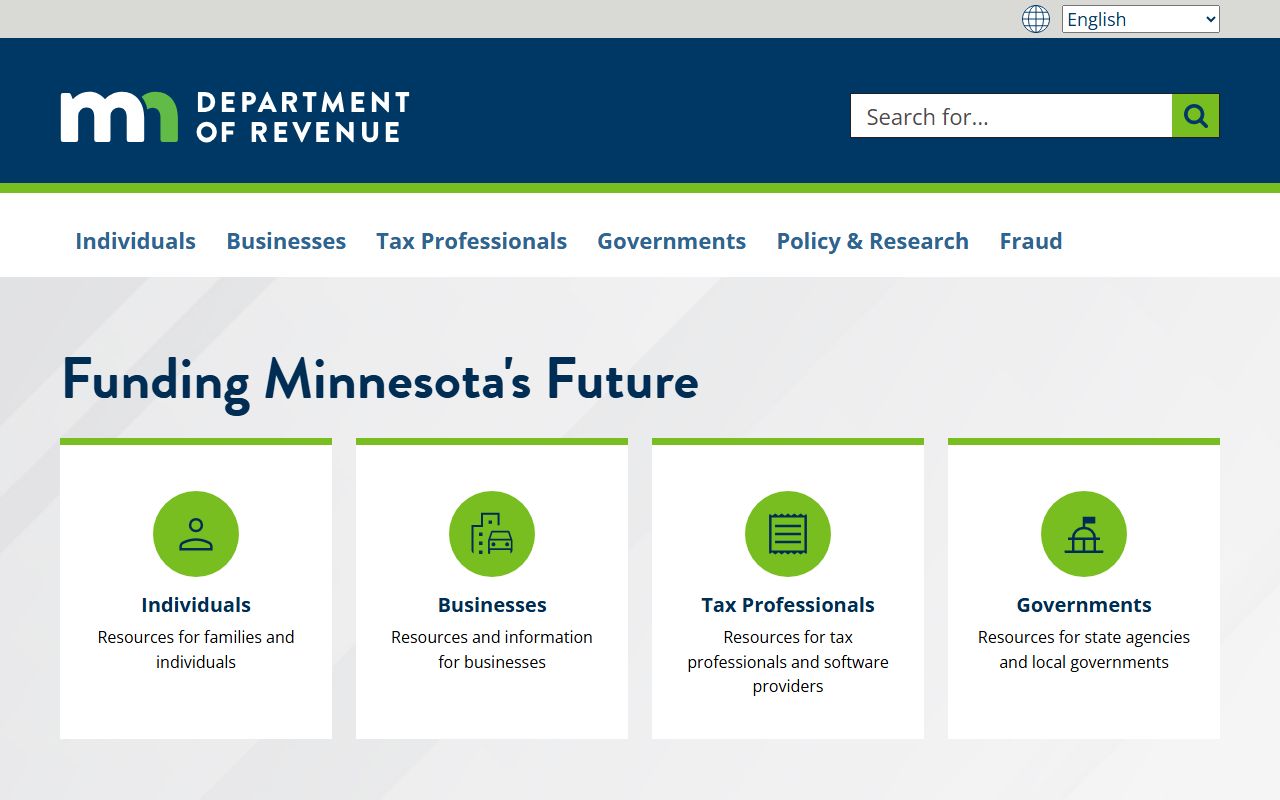
The Department of Revenue administers the deed tax and provides guidance on which transactions are taxable and which qualify for exemptions under state law.
Why Prompt Recording Matters
Under Minnesota Statute 507.34, any deed that is not recorded is void against a later purchaser who pays value and records first without notice of the prior deed. This rule makes prompt recording essential. A buyer who delays recording risks losing their legal claim if the seller transfers the property a second time to a new buyer who records first.
Redwood County uses both the abstract and Torrens recording systems. Abstract land has a deed chain tracked through the recorder's index. Torrens land is state-registered under Minnesota Statute Chapter 508, with ownership confirmed through a Certificate of Title. If you are unsure which system applies to a parcel you are researching, the recorder's office can confirm.
Cities in Redwood County
Redwood Falls is the county seat and largest city in Redwood County. No cities in Redwood County meet the 100,000 population threshold for a dedicated city page on this site. Other communities in the county include Lamberton, Clements, Wabasso, and Morgan.
Nearby Counties
These counties border Redwood County. Property records for land in neighboring areas are held by their respective recorders.